




Welcome to the TRAA
Dedication Today for Tomorrow
"For the enhancement, protection and promotion of a viable,
multi-species fishery within the Thames River watershed.
Thames River Cleanup - April 18, 2026 at 8:00AM
We will be participating once again with the Thames River Clean Up this spring. We will meet at our usual spot at the Komoka Road bridge (AKA Speedway bridge) on Saturday April 18 at 8:00am.
Bags, gloves etc will be provided at the start.
Rubber boots are highly recommended. If you're around and able we would appreciate seeing you out for a few hours to help pick up some litter and keep the river looking as good as possible.Many hands make light work. See you there!
Brown Trout Release - May 2, 2026 at 8:00AM
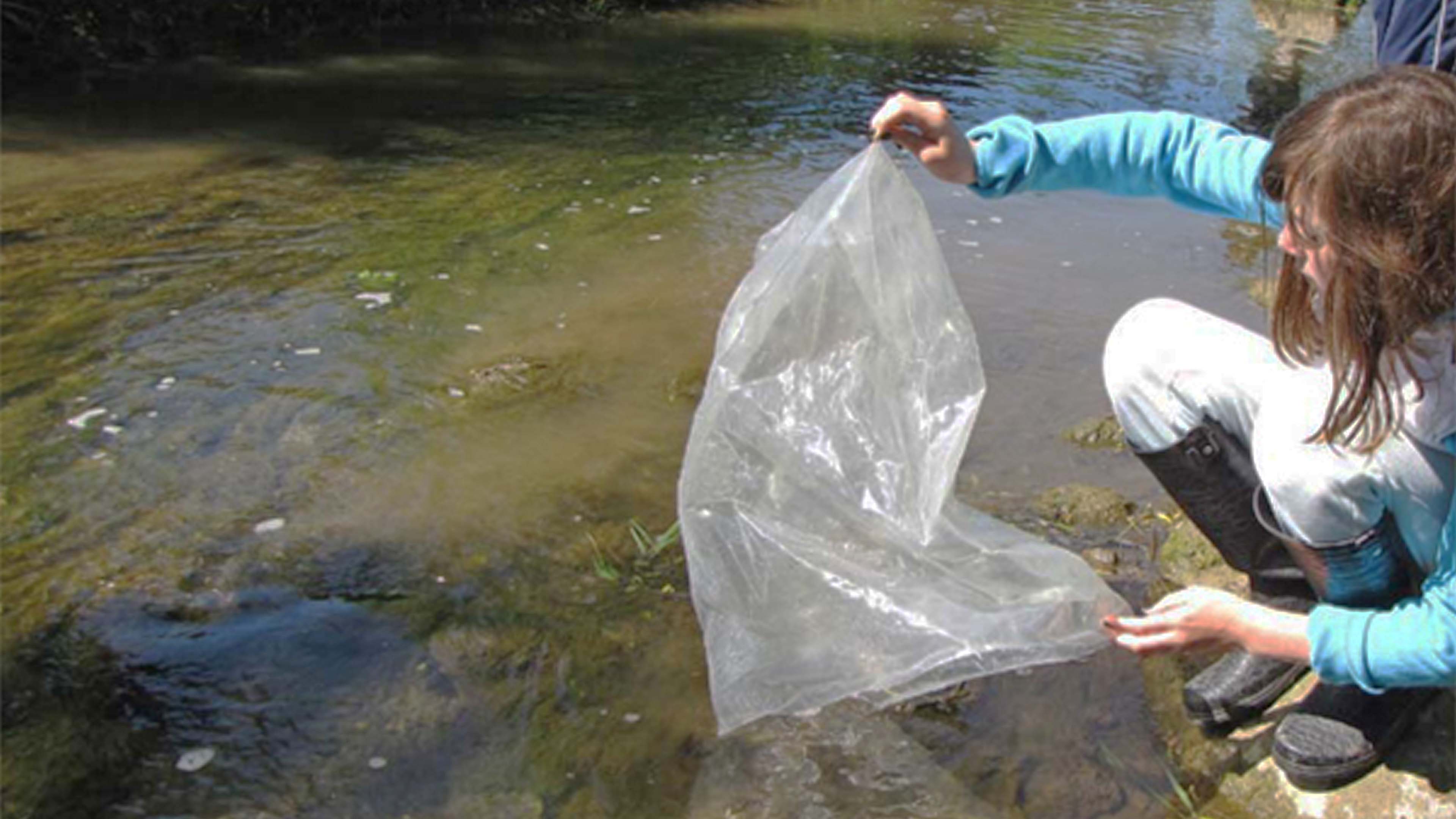
TRAA members will be meeting at the trout hatchery to load up the brown trout fry that have been raised by our dedicated hatchery rotation group.
Then it's off to the headwaters of Medway Creek north of London for release!
If you are a TRAA member and would like to help out, watch your emails for further details. There will be rainbow trout in the hatchery as well, but they will be released at a later date.If you'd like to be part of the hatchery experience, make sure you contact us with your interest.
TRAA General Meeting - May 13, 2026 at 7:00PM
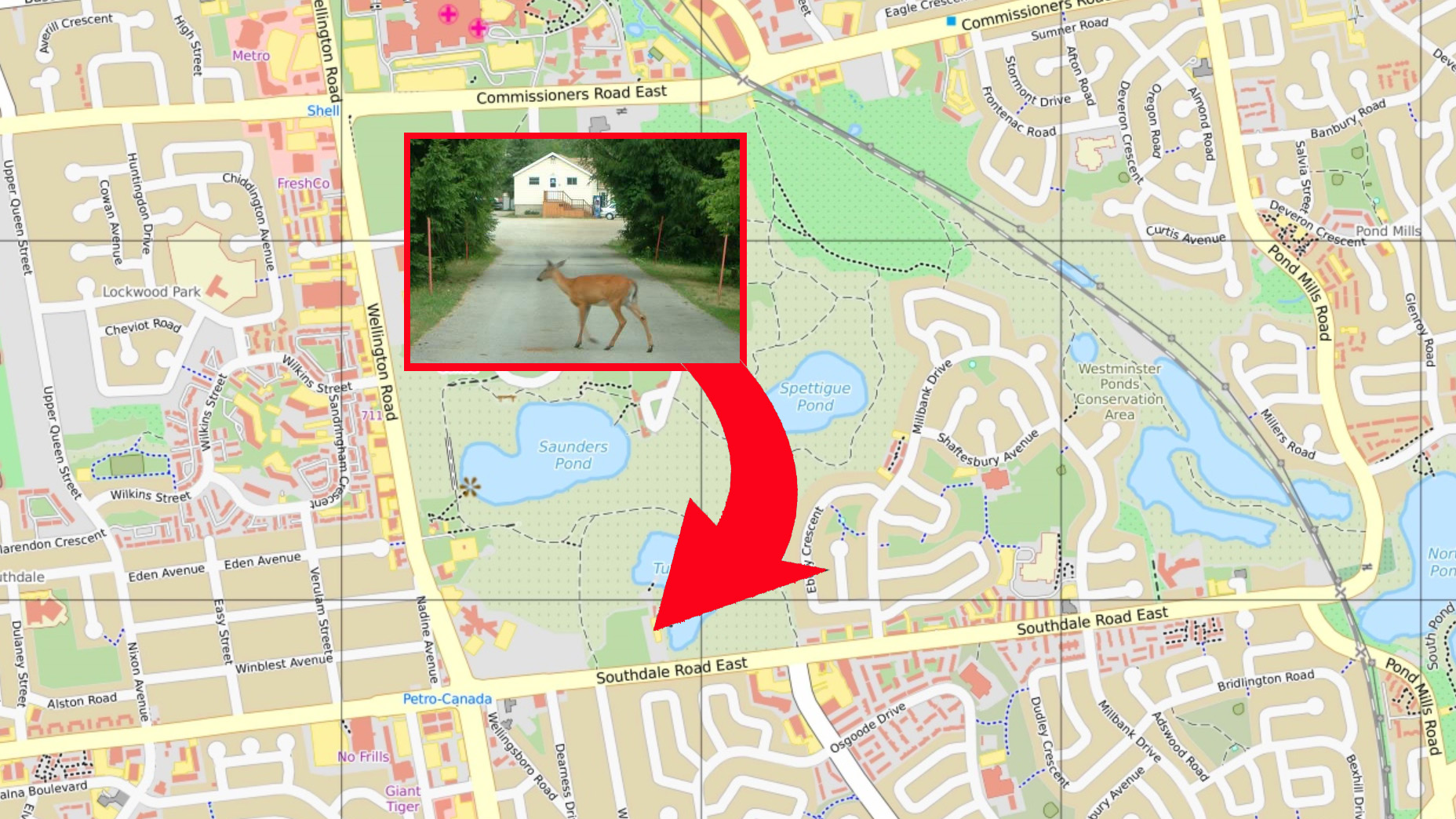
General Meetings are a great way for those members wanting to get the latest updates on activities and events, as well as for those looking to become more involved with the TRAA.
It's also an oportunity to meet and chat with other TRAA members. The venue is the WOFGPA clubhouse, 790 Southdale Road East, London, ON.Bring a friend and we'll see you then!
TRAA Executives
| President Paul Holmes |
Vice President Vacant |
| Secretary Jeremy Beaton |
Treasurer Randy Bailey |
Chairperson Rob Huber |
TRAA Volunteer Committee Chairs
Coldwater |
Warmwater |
Fundraising Randy Bailey |
Public Relations |
Habitat |